Sake, Japan's traditional rice wine, represents centuries of brewing mastery and cultural significance. Understanding sake elevates your appreciation of Japanese culture and cuisine.
Sake Fundamentals
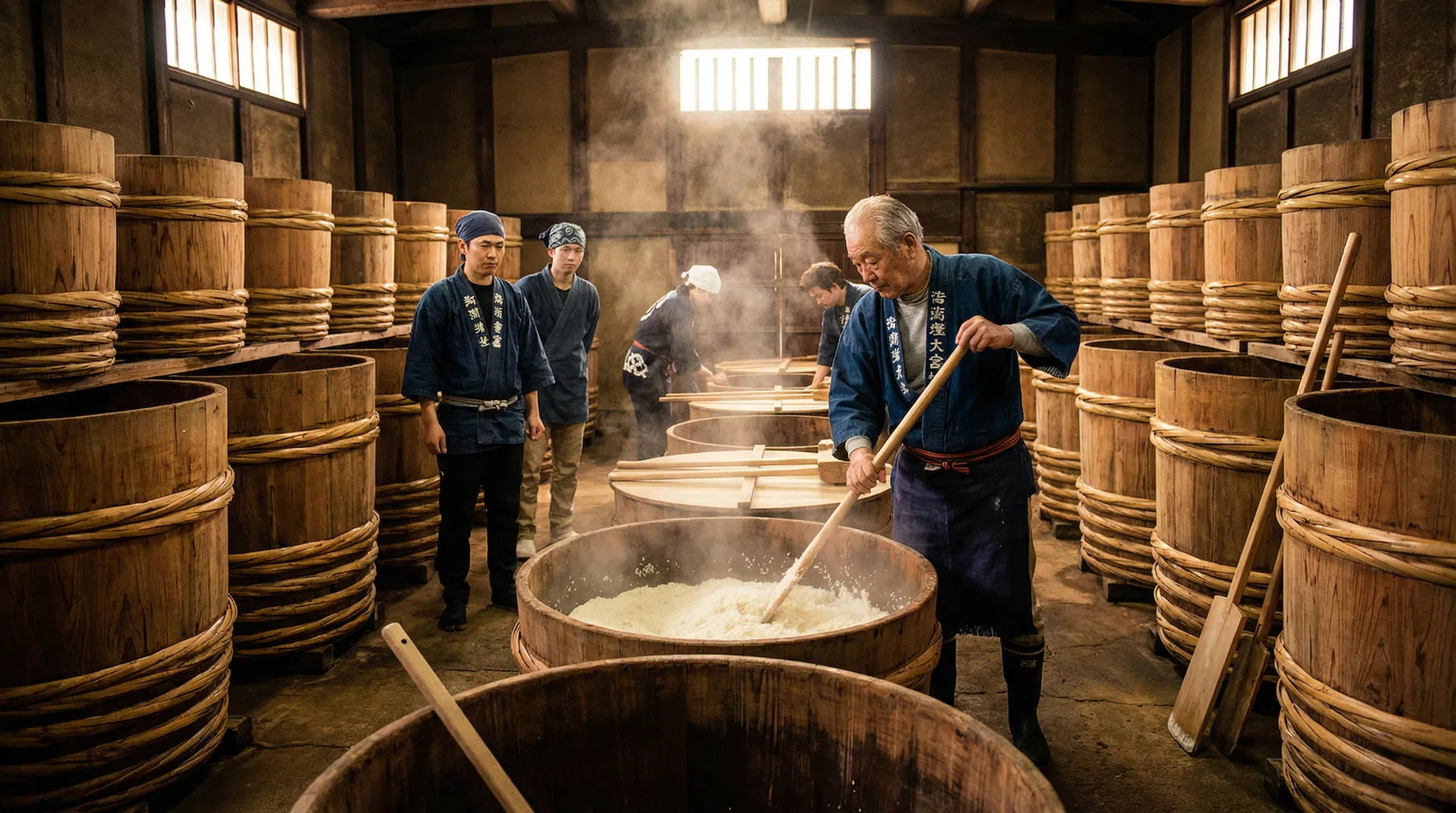
Sake brewing combines ancient tradition with scientific precision:
Raw Materials: Premium rice, koji mold, water, yeast Fermentation Process: Complex parallel fermentation unique to sake Polishing Ratio: Determines sake classification and flavor profile Water Quality: Mineral content significantly affects final product
Sake Classifications
Japanese sake is classified by polishing ratio and brewing method:
Junmai (Pure Rice Sake) Made from rice, koji, water, yeast only Fuller body, more robust flavors Ranges from dry to sweet
Honjozo (Alcohol-Added) Small amount of distilled alcohol added Lighter, more delicate flavors Enhanced aromatic qualities
Ginjo (Premium) Rice polished to 60% or less Fragrant, elegant, refined flavors Higher price point reflects quality
Daiginjo (Ultra-Premium) Rice polished to 50% or less Extremely delicate, complex aromas Pinnacle of brewing artistry
Regional Sake Traditions
Different regions produce distinctive sake styles:
Niigata Prefecture: Light, dry, food-friendly sake Kyoto Prefecture: Traditional brewing with refined character Hyogo Prefecture: Robust, complex sake styles Yamagata Prefecture: Full-bodied, aromatic varieties
Brewery Visits and Experiences
Historic breweries offer immersive experiences:
Guided Tours: Learn brewing process from master brewers Tasting Sessions: Sample multiple sake styles with expert guidance Seasonal Brewing: Witness traditional fermentation processes Sake Pairing Dinners: Curated meals featuring brewery's products
Sake Tasting Techniques
Proper tasting enhances appreciation:
Visual Assessment Clarity and color indicate quality and age Observe in white cup against light source
Aroma Evaluation First aroma (initial impression) Secondary aroma (after gentle swirling) Tertiary aroma (after warming in hands)
Taste Progression Initial flavor on palate Mid-palate development Finish and aftertaste Balance of sweetness, acidity, umami
Serving and Storage
Proper handling preserves sake quality:
Temperature: Varies by type; chilled to room temperature to warm Glassware: Ceramic cups or wine glasses depending on style Storage: Cool, dark location; consume within 1-2 years Pairing: Complements both traditional and contemporary cuisine
Sake and Food Pairing
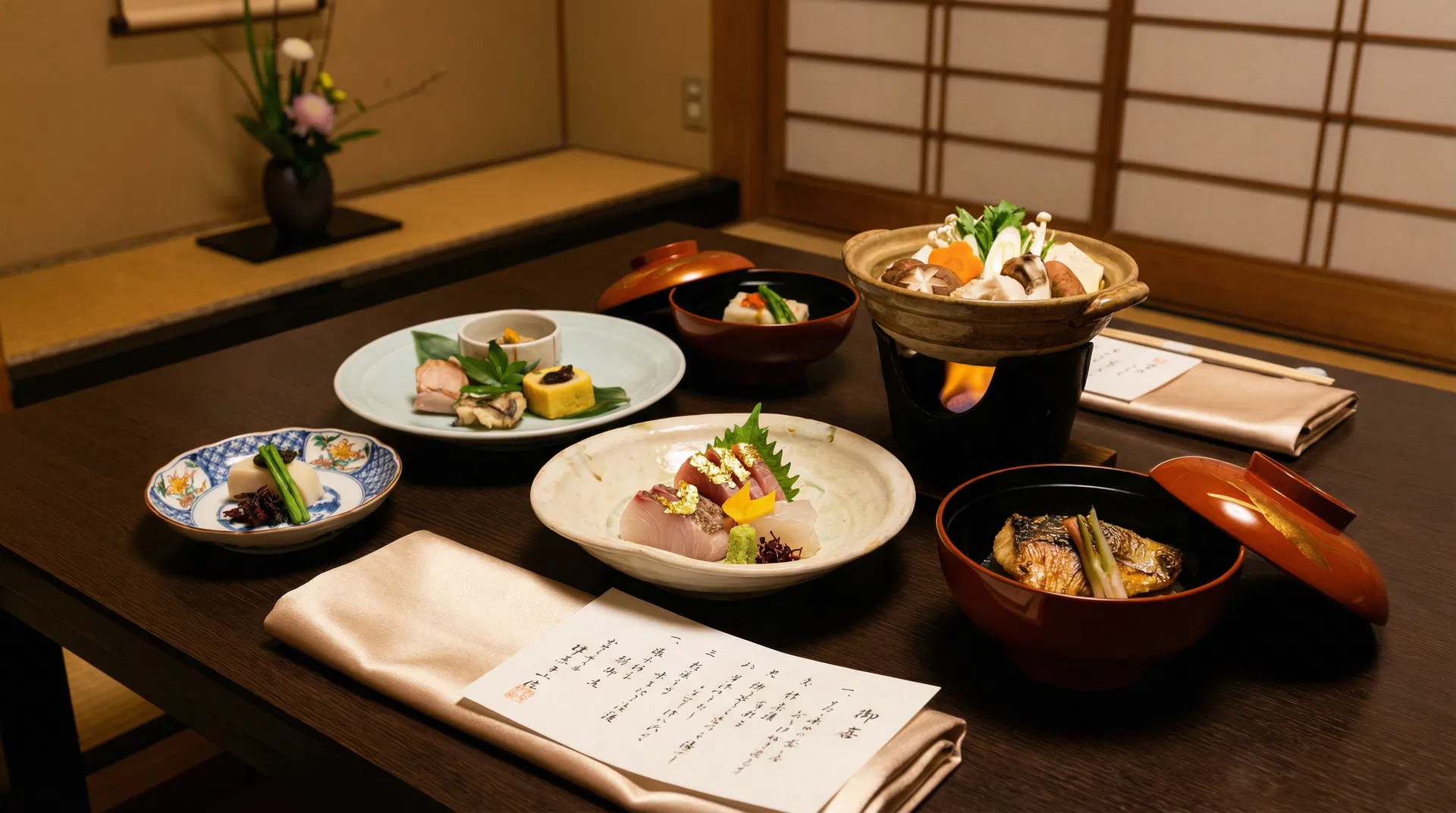
Sake's versatility makes it exceptional with food:
Light Sake: Pairs with delicate fish, seafood, vegetables Medium Sake: Complements poultry, light meats, cheeses Full-Bodied Sake: Matches rich dishes, grilled items, spiced foods Aged Sake: Pairs with mature cheeses, complex dishes
Sake appreciation deepens understanding of Japanese craftsmanship, tradition, and the philosophy of balance and harmony.