Zen Gardens and Temples: Finding Peace in Japan
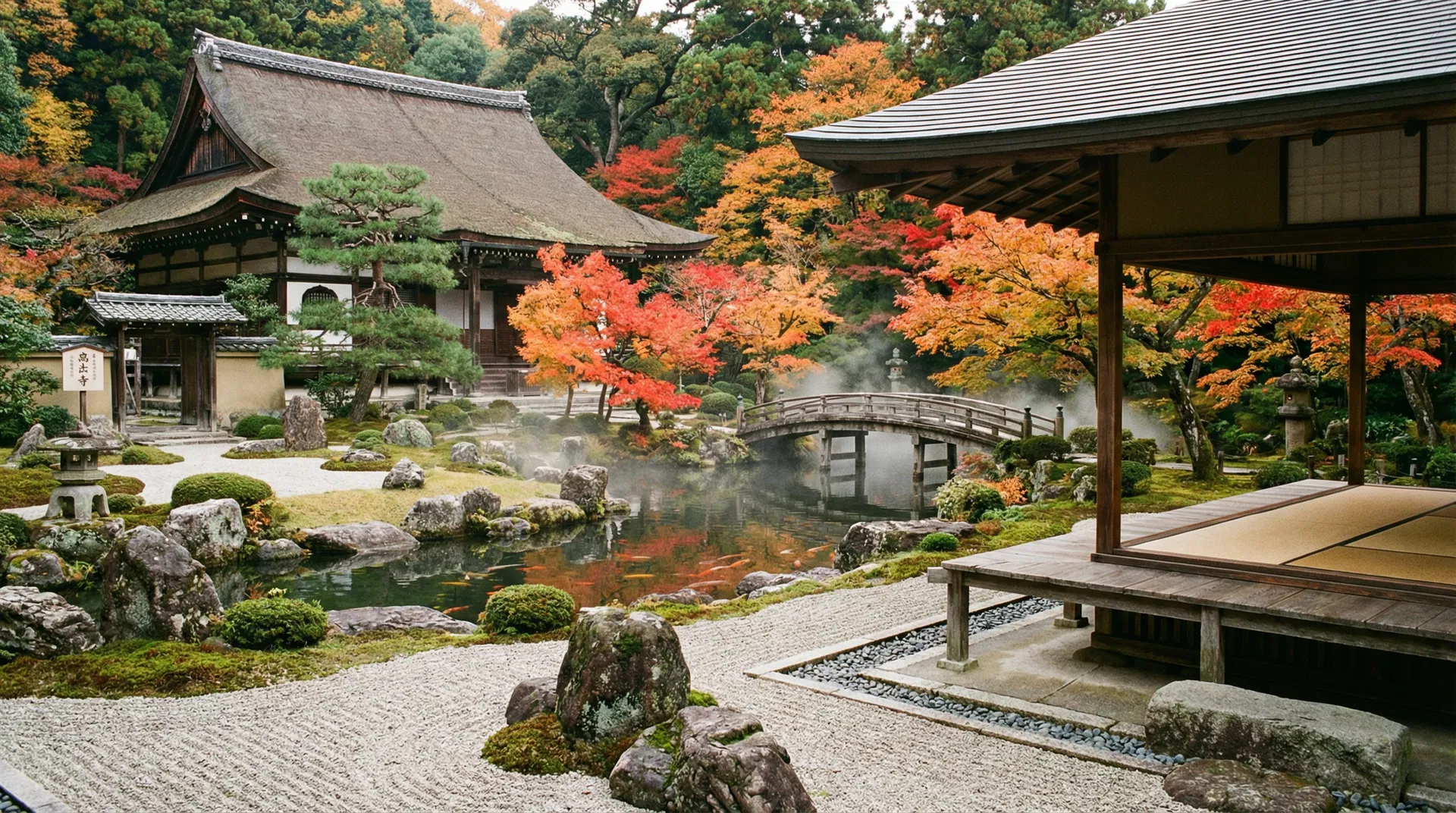
Japan's temples and zen gardens embody centuries of Buddhist philosophy and aesthetic refinement. These spaces offer profound spiritual experiences and visual tranquility.
Zen Philosophy and Garden Design
Zen gardens reflect Buddhist principles of simplicity and harmony:
Minimalism: Essential elements only; empty space as important as objects Asymmetry: Natural, unbalanced compositions reflecting nature Symbolism: Rocks represent mountains, sand represents water Contemplation: Designed to encourage meditation and self-reflection
Famous Zen Gardens
Ryoan-ji Temple, Kyoto: Japan's most iconic zen garden 15 rocks arranged in gravel field Visitors debate symbolic meanings for centuries Peaceful atmosphere despite tourist crowds
Kinkaku-ji (Golden Pavilion), Kyoto: Stunning temple reflection garden Golden pavilion reflected in mirror pond Surrounding garden designed for seasonal beauty Represents Buddhist concept of paradise
Ginkaku-ji (Silver Pavilion), Kyoto: Subtle elegance Minimalist design emphasizing natural beauty Sand garden raked in geometric patterns Peaceful setting away from main tourist routes
Temple Architecture and Aesthetics
Japanese temples showcase distinctive architectural principles:
Natural Integration: Buildings harmonize with surrounding landscape Wooden Construction: Sustainable materials with longevity Symbolic Elements: Every architectural detail carries meaning Seasonal Adaptation: Spaces designed for seasonal changes
Spiritual Practices and Etiquette
Visiting temples respectfully enhances experience:
Purification: Rinse hands and mouth at entrance water basins Shoe Removal: Leave shoes before entering buildings Quiet Respect: Maintain silence in meditation areas Photography: Ask permission; some areas prohibit photos
Garden Elements and Symbolism
Traditional Japanese gardens incorporate symbolic elements:
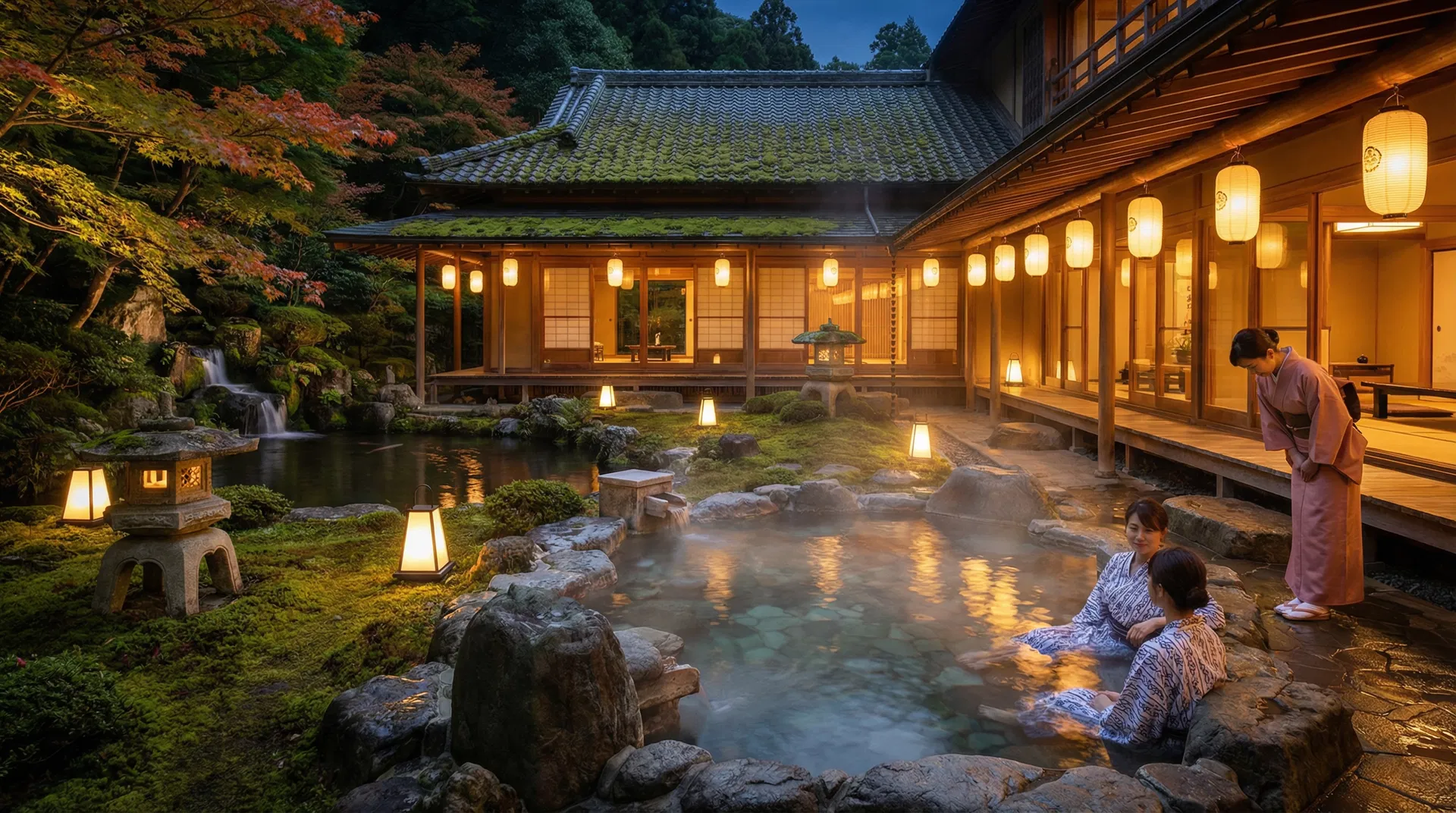
Water Features Ponds represent oceans or lakes Streams symbolize rivers and flow of life Waterfalls represent purification
Stone Arrangements Large rocks represent mountains Groupings create compositional balance Placement follows feng shui principles
Vegetation Carefully selected plants for seasonal interest Pruning maintains intended forms Trees represent longevity and natural beauty
Seasonal Temple Experiences
Each season offers distinct temple experiences:
Spring: Cherry blossoms frame temple structures Summer: Lush greenery and cool temple interiors Autumn: Vibrant foliage surrounding gardens Winter: Minimalist beauty with snow-covered landscapes
Meditation and Contemplation
Many temples offer meditation opportunities:
Zazen Sessions: Seated meditation practice Walking Meditation: Mindful movement through gardens Guided Experiences: Monks lead visitors through practices Overnight Stays: Immersive temple experiences (shukubo)
Recommended Temple Circuits
Kyoto Temple Trail: Visit multiple temples in single day Nara Sacred Deer Park: Combine temples with natural wildlife Koyasan: Mountain monastery complex with overnight options Takayama: Historic temples in traditional mountain setting
Temple and garden visits offer respite from modern life and connection to Japan's spiritual heritage.